I share these products on my website to make science fun and accessible for kids of all ages, along with parents and teachers—at no extra cost to you. Every purchase made through these links helps me create more videos that explain basic science concepts in a simple and engaging way.
I appreciate your support in this journey. These also make wonderful gifts to inspire curiosity in children. Stay curious!
Have you ever wondered how scientists can tell what stars are made of — even though they’re light-years away? Or how a simple beam of light can reveal what’s inside your favorite food or even the air we breathe?
Welcome to the fascinating world of Spectroscopy — the science of light, color, and discovery! 🔦I do affiliate marketing for the product.
💡 What Is Spectroscopy?
In simple terms, spectroscopy is the study of how light interacts with matter. When light passes through or reflects off a substance, certain colors (or wavelengths) are absorbed, while others are transmitted or emitted.
This creates a unique light pattern, called a spectrum, which acts like a fingerprint for that material.
Every element and compound has its own light fingerprint — which means scientists can identify what something is made of just by studying its light.
🌍 Why Spectroscopy Matters
Spectroscopy isn’t just a topic for scientists — it’s used in so many areas of life, from medicine to space research!
Here are some amazing real-world uses of spectroscopy:
🔬 1. Medicine – Detecting oxygen in blood and analyzing drug molecules.
🌾 2. Agriculture – Checking nutrient levels and food quality without cutting or damaging samples.
🏙️ 3. Environment – Measuring pollutants and tracking air or water quality.
🪐 4. Space Science – NASA’s Perseverance rover uses spectrometers to look for ancient life on Mars!
🎨 5. Education & Art – Studying how pigments and dyes absorb light to create color.
🧪 Fun Spectroscopy Experiment You Can Try at Home
You don’t need a lab to explore light and color! Here’s a simple experiment to understand how spectroscopy works.
🧫 What You Need:
- Red and green food colors 🟥🟩
- Two clear glasses of water
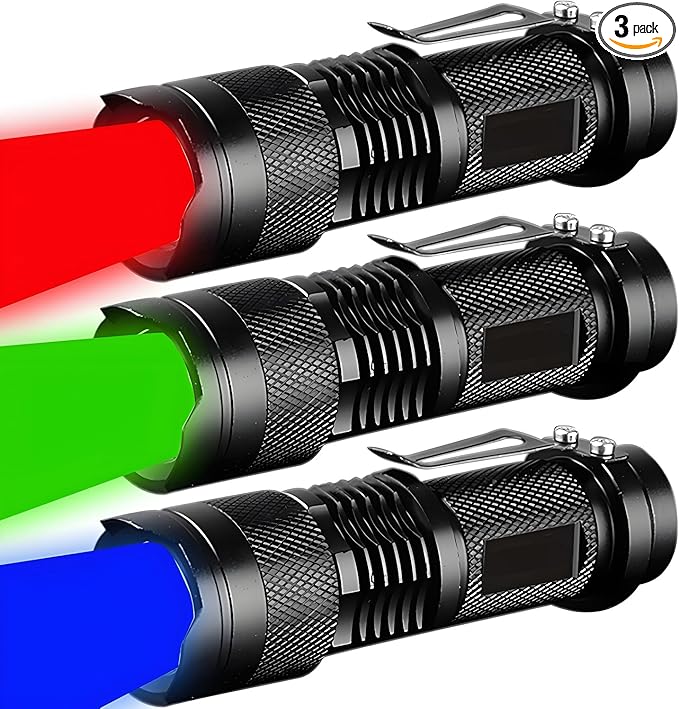
- A green LED light or flashlight 💡
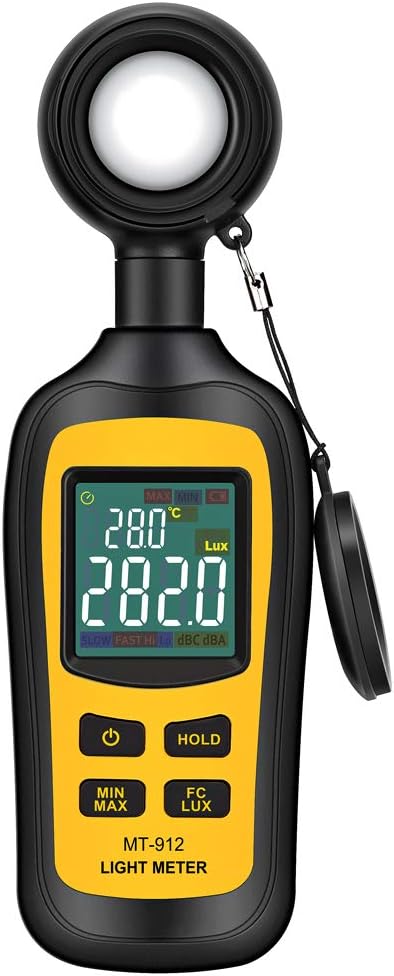
- A light meter or light sensor app (on your smartphone!)
🔍 How to Do It:
- Mix one glass with red food color and one with green.
- Shine the green light through each solution.
- Use the light meter to measure brightness (transmitted light).
- Compare readings!
You’ll notice that red food color absorbs green light, while green food color lets green light pass through. That’s basic spectroscopy — learning how colors interact with light.
🛒 Affiliate Picks: Best Amazon Tools for Home Spectroscopy Experiments
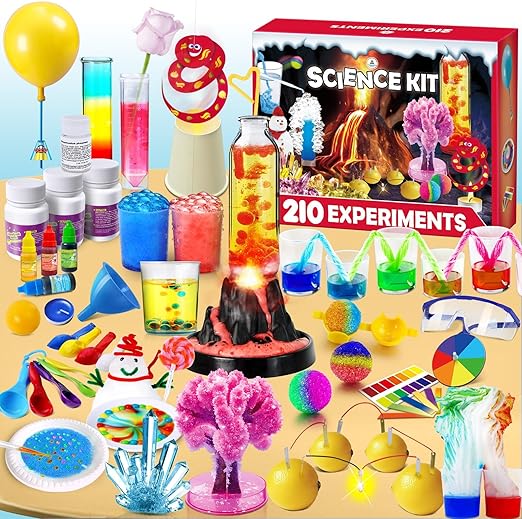
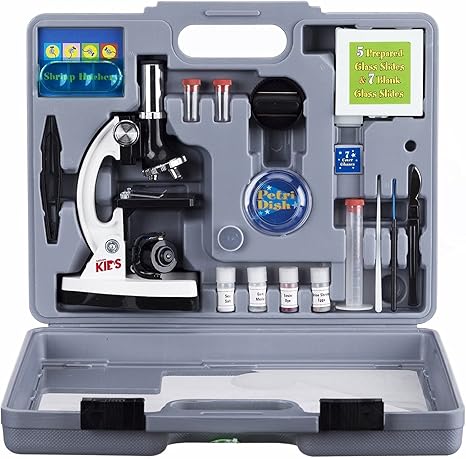
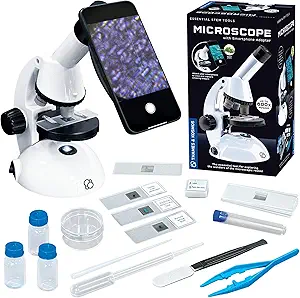
Want to take your experiment to the next level? Here are some cool, kid-friendly and classroom-ready Amazon products that make spectroscopy fun and easy!
🚀 Spectroscopy and the Search for Life on Mars
Did you know? NASA scientists use the same principle of spectroscopy to explore Mars!
When the Perseverance Rover lands on the red planet, it uses laser and infrared spectrometers to detect organic molecules and minerals that may reveal traces of ancient microbial life.
So, when you shine light through colored water, you’re practicing the same science used to explore another planet! 🌌
🌈 Final Thoughts
Spectroscopy is more than just light and color — it’s the language of the universe. From classrooms to space missions, it helps us decode the mysteries of what things are made of.
So next time you see a rainbow, think of it as nature’s own spectrum — a reminder that light holds countless secrets waiting to be discovered.
✨ Keep experimenting, keep learning, and let your curiosity shine bright!